
How to Pass a Urine Drug Test: The Complete Scientific Guide
Urinalysis remains the most widely deployed drug testing method globally, accounting for over 90% of workplace, probation, court-ordered, and athletic screenings. Because urine screening procedures evaluate specific biological markers, passing an upcoming test requires an accurate understanding of laboratory analysis methods, specimen validity testing, and the scientific limits of popular home remedies.
-
Urine Test Products
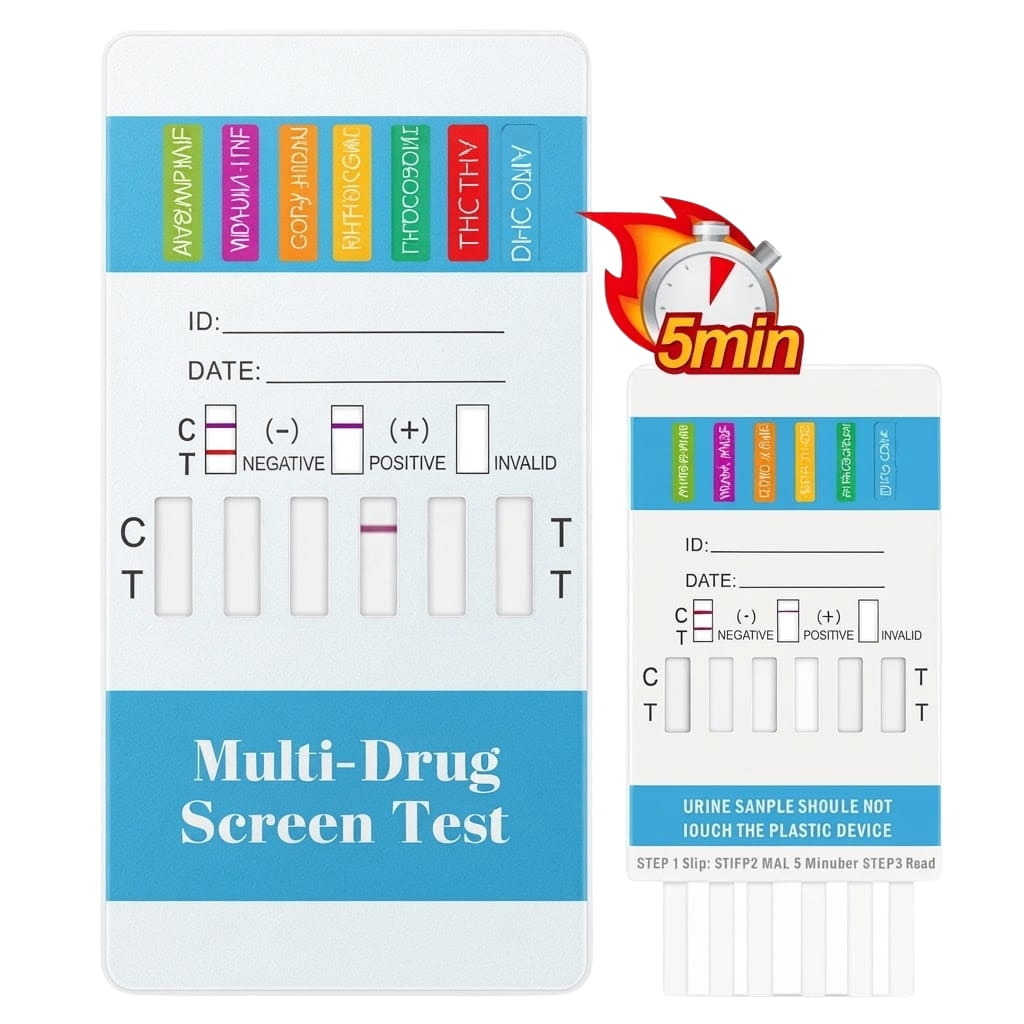
CLIA Waived 13 Panel Urine Drug Test Dip Card with Fentanyl (FEN 1ng)
$11.95 Add to cart -
Urine Test Products
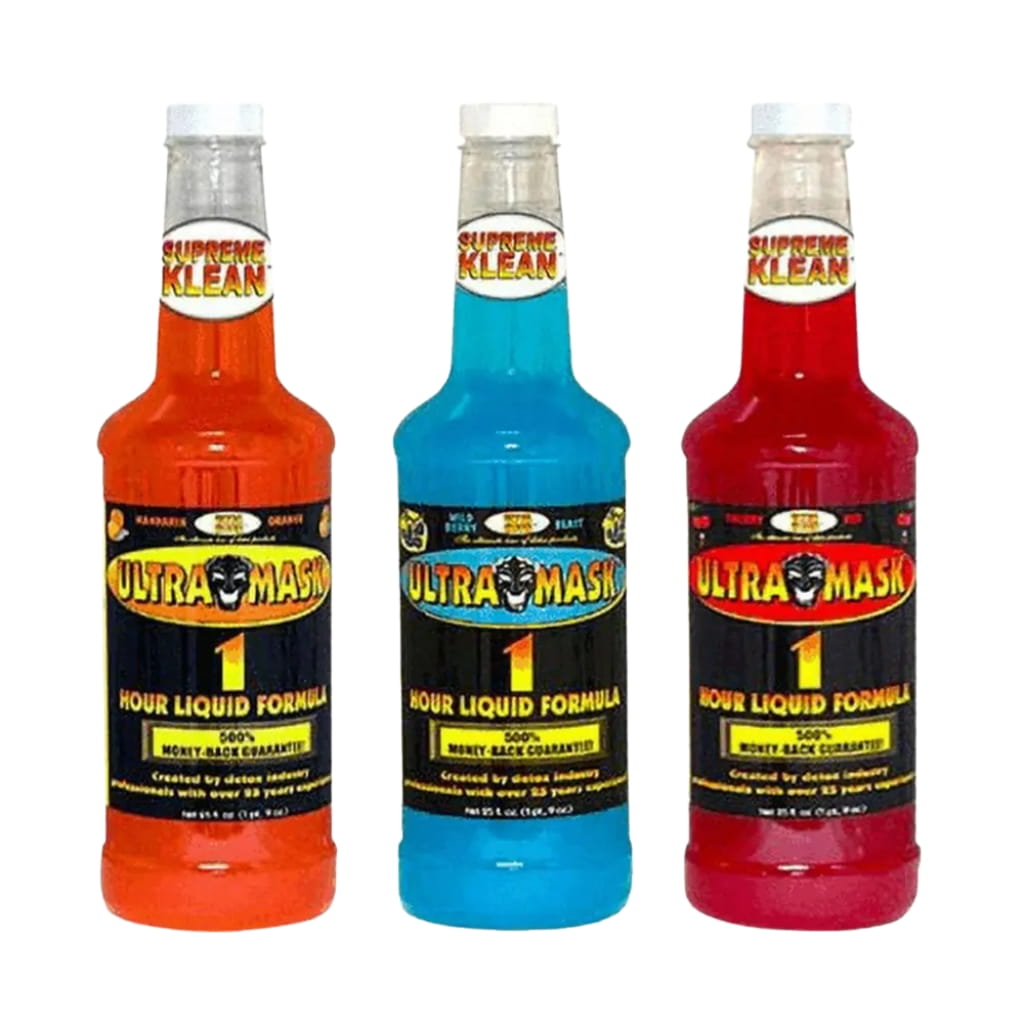
Supreme Klean Ultra Mask Detox Drink
$44.00Select options This product has multiple variants. The options may be chosen on the product pageClearCherryBlue BerryOrange
How Urinalysis Works: Immunoassay vs. Mass Spectrometry
When an individual submits a urine specimen, testing facilities generally require a minimum volume of 60 mL split into primary and secondary collection containers. Laboratories process this specimen through a two-tiered testing protocol.
Tier 1: Immunoassay Screening
The immunoassay is a biochemical diagnostic test designed to detect the presence of specific drug classes through antibody-antigen binding reactions.
Mechanism: Synthetic antibodies introduced into the urine react with drug metabolites, triggering measurable changes in color, light absorption, optical density, or enzymatic activity.
Purpose: Immunoassays are fast, automated, and cost-effective, allowing testing facilities to quickly clear negative samples within 24 to 48 hours.
Limitations: Immunoassays are qualitative; they identify substance classes (such as opiates or cannabinoids) rather than specific chemical compounds, and they are prone to cross-reactivity and false positives from over-the-counter medications.
Tier 2: Confirmatory Chromatography & Mass Spectrometry
If an immunoassay flags a presumptive positive result, the specimen undergoes secondary confirmation via Gas Chromatography-Mass Spectrometry (GC-MS) or Liquid Chromatography-Tandem Mass Spectrometry (LC-MS/MS).
Mechanism: Chromatography physically separates all individual chemical compounds present in the urine matrix, while the mass spectrometer bombards molecules with electrons to determine their exact molecular weight and chemical fingerprint.
Precision: This confirmatory step eliminates false positives, quantifies the exact concentration of each metabolite down to nanogram-per-milliliter (ng/mL) levels, and delivers legally defensible evidence.
Drawback: Because mass spectrometry requires delicate analytical machinery, highly trained toxicologists, and extended processing time, it is reserved exclusively for confirming non-negative immunoassay samples.
Specimen Validity Testing & The “Dilution Trap”
A urine sample is not evaluated solely for the presence of drug metabolites. Every accredited laboratory conducts Specimen Validity Testing (SVT) to verify that the sample is authentic, unadulterated human urine.
Testing facilities immediately record specimen parameters:
- Temperature: Must register strictly between 90°F and 100°F (32°C to 38°C) within 4 minutes of voiding.
- Creatinine: A natural metabolic waste product generated by muscle breakdown. Standard human urine contains creatinine levels above 20 mg/dL.
- Specific Gravity (SG): Measures the kidney’s concentration ability and urine density relative to pure water (normal range: 1.003 to 1.035).
- pH Level: Evaluates acidity/alkalinity to rule out chemical adulterants (normal range: 4.5 to 8.5).
- Oxidants & Nitrites: Screened to ensure commercial bleaching agents or chemical neutralizers have not been added.
The Negative-Dilute Dilemma
Many individuals attempt to pass a urine test by drinking excessive volumes of water, juice, or coffee immediately before collection. While excessive fluid intake lowers the concentration of drug metabolites below testing cutoff levels, it simultaneously flushes out natural creatinine and lowers specific gravity.
Under U.S. Department of Transportation (DOT) and federal SAMHSA workplace standards:
- Dilute Specimen: Defined when creatinine levels drop between 2.0 mg/dL and 20.0 mg/dL, accompanied by a specific gravity below 1.003.
- Consequences: A “Negative-Dilute” result is not an automatic pass. Employers and testing agencies routinely treat a negative-dilute outcome as inconclusive, requiring an immediate re-test. If the creatinine level measures below 2.0 mg/dL, federal guidelines treat the sample as substituted/invalid, mandating an immediate, directly observed re-collection.
The Certo (Fruit Pectin) Method: Myths vs. Scientific Reality
The “Certo Method” (also known as the fruit pectin method) is one of the most widely circulated home remedies across social media and internet forums for passing an upcoming urinalysis, particularly for cannabis (THC).
What Certo Actually Is
Certo is a commercially manufactured liquid or powdered fruit pectin product designed to thicken homemade jams and jellies. Pectin is a structural, water-soluble dietary fiber derived naturally from the cell walls of apples and citrus fruits. When suspended in liquid under proper pH and sugar concentrations, pectin cross-links to form a dense gel.
The Claimed Theory Behind the Method
Proponents claim that consuming high volumes of fruit pectin creates a fibrous gel within the gastrointestinal tract that acts as a chemical sponge:
- They believe pectin binds to lipid-soluble THC metabolites traveling through the liver, gall bladder, and bile ducts.
- The theory claims that trapped metabolites are redirected out through bowel movements instead of being reabsorbed into the bloodstream and excreted via the kidneys into urine.
- Users typically mix one or two packets of Certo into a 32-ounce sports drink, consume it 2 to 4 hours before the test, and drink copious amounts of additional water.
What Science & Toxicological Research Confirm
- Lack of Clinical Evidence: There are zero peer-reviewed clinical studies or human clinical trials establishing that fruit pectin binds, sequesters, or redirects drug metabolites away from the renal system.
- The Real Reason Behind “Success Stories”: Anecdotal claims of passing a drug test with Certo stem almost entirely from temporary fluid dilution, not the fruit pectin itself. Drinking 32 ounces of an electrolyte sports drink combined with additional quarts of water dilutes urine to near-water concentrations. If the individual was already close to the 50 ng/mL screening cutoff or had abstained for several days, the temporary water flush—not the jam thickener—drove the reading down.
- High Risk of Rejection: The large liquid volume required by typical Certo recipes routinely washes out natural creatinine and specific gravity, triggering a flagged “Dilute” or “Invalid” lab result.
Certo Claims vs. Documented Scientific Reality
| Common Claim | Scientific Fact | Practical Testing Risk |
|---|---|---|
| “Pectin chemically binds and traps drug metabolites” | Pectin is an uncharged soluble fiber that thickens intestinal contents; it does not selectively capture or sequester drug metabolites. | Zero validated clinical dosing guidelines exist; outcomes remain highly unpredictable. |
| “Sports drinks prevent test detection” | Sports drinks provide water, sugars, and minor electrolytes; they do not neutralize or degrade drug metabolites. | The excessive fluid volume frequently triggers a flagged Negative-Dilute specimen. |
| “Adding B vitamins and creatine fixes the method” | B vitamins only color the liquid yellow; they do not restore depleted specific gravity or biochemical validity markers. | Laboratory validity instruments detect diluted creatinine and specific gravity regardless of sample color. |
| “Online forum reviews prove it works” | Testimonials cannot separate the effect of pectin from natural clearance time, baseline usage levels, and dilution. | Relying on anecdotal forum advice often results in re-testing under direct observation. |
Health & Safety Considerations of Unverified Home Remedies
Online versions of the Certo protocol often suggest adding random household items—such as high-dose aspirin, baking soda, vinegar, or unregulated multivitamin stacks. Combining these products introduces distinct health risks:
- Electrolyte Disturbance (Hyponatremia): Drinking excessive volumes of water over a short duration can dilute blood sodium to dangerously low levels, leading to water intoxication, nausea, brain swelling, and seizures.
- Gastrointestinal Distress: Ingesting concentrated doses of pure soluble pectin causes severe bloating, cramping, dehydration, and osmotic diarrhea.
- Medication Interactions: High doses of aspirin irritate the stomach lining, increase systemic bleeding risks, and interact dangerously with blood thinners or common prescriptions.
- Specimen Restriction: Pectin has zero relevance to oral fluid or hair follicle tests. It does not alter saliva chemistry and cannot extract metabolites embedded within hair keratin.
-
Urine Test Products
CLIA Waived 13 Panel Urine Drug Test Dip Card with Fentanyl (FEN 1ng)
$11.95 Add to cart -
Urine Test Products
Supreme Klean Ultra Mask Detox Drink
$44.00Select options This product has multiple variants. The options may be chosen on the product pageClearCherryBlue BerryOrange
Structured Solutions for Urine Drug Testing
Rather than relying on uncalibrated grocery store ingredients, preparing for a urine screening requires controlled, dependable methodologies.
                     Choose Your Preparation Strategy
                                    │
         ┌──────────────────────────┴──────────────────────────┐
         ▼                                                     ▼
[ Natural Detoxification ]                            [ Sample Substitution ]
  • Abstinence Window                                   • Unobserved Collections
  • Fast-Acting Detox Drinks                            • Pre-Balanced Formula
  • Targeted Herbal Teas                                • Temperature Strict (90–100°F)
1. Formulated Fast-Acting Liquid Cleansers
Unlike improvised home mixtures, specialized liquid cleansers are scientifically balanced to temporarily clear urinary output while replenishing essential biological markers.
- The Ultra Mask 1-Hour Liquid Detox Drink utilizes a balanced carbohydrate matrix coupled with essential B vitamins, minerals, and creatine.
- It works within 60 minutes to flush out stored urinary metabolites while sustaining normal specific gravity, natural color, and healthy creatinine levels across an active 4-hour cleansing window.
2. Natural Herbal Flushing Support
For light-to-moderate exposure or situations involving alcohol testing:
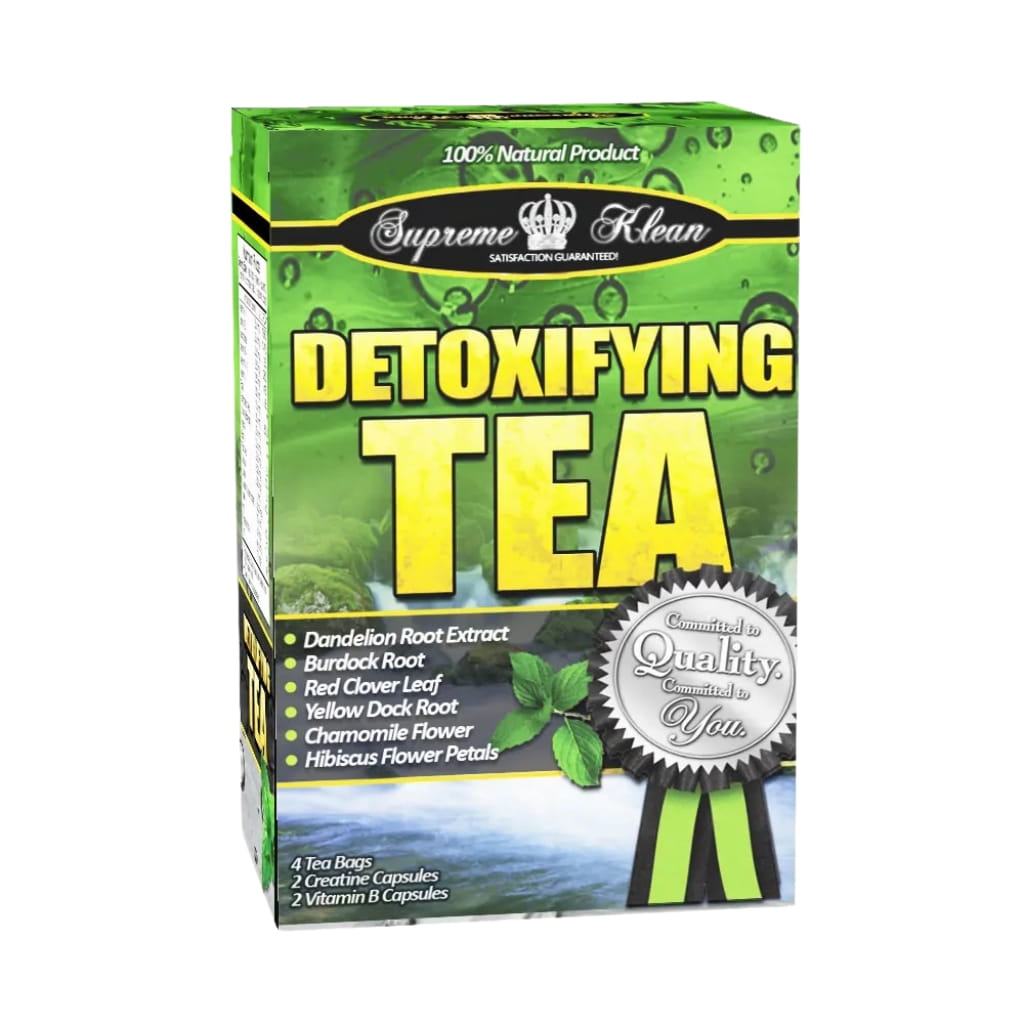
- The Supreme Klean Detoxifying Herbal Tea provides a 100% natural herbal formula that accelerates metabolic waste clearance.
- It is engineered with supplemental creatine and vitamin B capsules to flush out alcohol byproducts (including ETG metabolites) and support clean urine screening naturally.
3. Laboratory-Grade Synthetic Solutions
In situations where an individual faces high toxin levels, chronic exposure, and an unobserved collection environment:
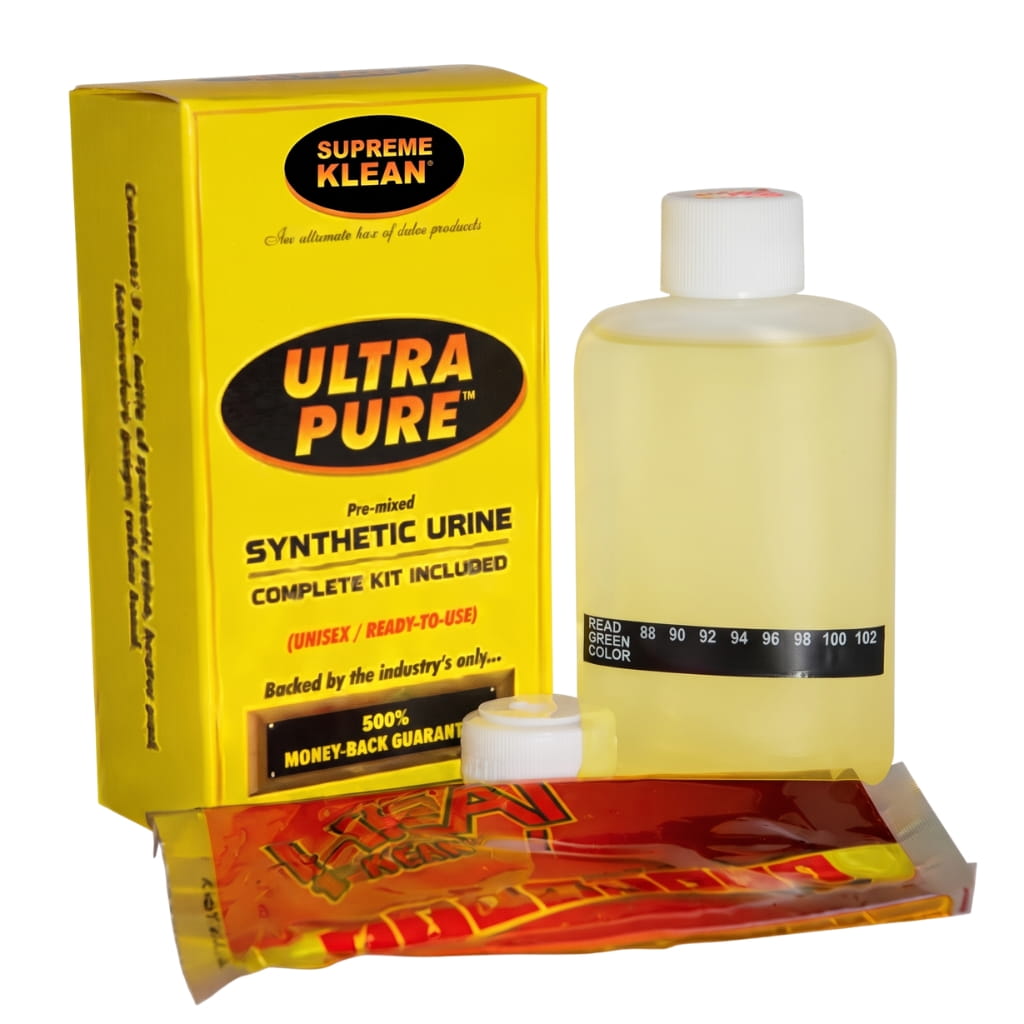
- The Ultra Pure Synthetic Urine Kit (2 oz) provides a sterile, laboratory-grade synthetic fluid calibrated to match authentic human urine.
- Formulated with balanced creatinine, precise specific gravity, proper uric acid/urea ratios, and a stable pH profile, it includes an integrated temperature strip and heating pad to ensure the sample is submitted within the mandatory 90°F to 100°F range.
4. Preliminary At-Home Verification
Never attend an official laboratory screening without establishing your baseline status in advance.
- Using a clinical-grade 13-Panel Urine Test Dip Card with Fentanyl provides CLIA-waived, FDA-approved qualitative results in under 5 minutes.
- Self-screening allows you to confirm that your target metabolites have fallen safely below standard laboratory cutoffs before your official test.
Action Plan: Practical Checklist for Urine Testing
Follow this structured protocol to maximize your clearance rates:
- Cease All Substance Exposure Immediately: Stop all substance consumption the moment you become aware of an upcoming test. The body cannot reduce urinary metabolite concentrations if new compounds are being introduced.
- Avoid Empty Water Loading: Do not consume gallons of plain water before your test. Excessive plain water flushes out urinary creatinine and guarantees a flagged negative-dilute sample.
- Calibrate Your Flush Window: If using the Ultra Mask Detox Drink, consume the liquid and its designated water refill exactly as directed. Urinate 2 to 3 times before providing your official sample to clear unconditioned urine from the bladder.
- Collect Mid-Stream: When providing your sample at the collection cup, allow the first portion of your urine stream to fall directly into the toilet. Capture the middle portion of the stream in the collection cup, and finish urinating in the toilet. The initial flow carries the highest concentration of concentrated cellular debris and sediment.
- Pre-Screen at Home: Test your first morning void using the 13-Panel Urine Dip Card to verify whether your natural metabolite levels clear standard cutoff thresholds without intervention.
Frequently Asked Questions
Does the Certo method permanently clear drug metabolites from your body?
No. Fruit pectin does not permanently remove drug metabolites from tissues, fat cells, or blood. At best, Certo routines provide temporary urine dilution driven by high liquid intake, with metabolites returning to detectable levels once the fluid load is cleared.
Can testing laboratories detect fruit pectin in urine?
Laboratories do not test for pectin itself because it is an ordinary food ingredient. However, they immediately detect the biological consequence of the recipe: abnormally low creatinine and depressed specific gravity, which flags the sample as dilute or invalid.
What is the minimum volume required for a urine test?
Standard workplace and DOT testing protocols require a minimum specimen volume of 45 mL to 60 mL. Providing less than this volume requires an observed collection or an extended donor holding protocol until a sufficient volume is voided.
Why did my friend pass using a home dilution recipe while I failed?
Every individual possesses distinct biological variables: body mass, metabolic rate, physical activity, hydration level, usage frequency, and the exact time elapsed since their last exposure. An individual with low baseline metabolite levels can pass after drinking a small amount of liquid, whereas a frequent user under the identical routine will fail or produce an invalid dilute sample.
How long do drug metabolites typically remain detectable in urine?
Detection timelines depend heavily on substance class and frequency of use. Water-soluble compounds (such as amphetamines and cocaine) generally clear the renal system within 2 to 4 days. Fat-soluble compounds (such as cannabis metabolites) store in adipose tissue and can gradually leach into urine for 7 to 30+ days in regular or daily consumers.
Understanding the mechanics of specimen validity testing, immunoassay screening, and mass spectrometry eliminates reliance on risky internet myths. By maintaining strict abstinence, using laboratory-balanced products like the Ultra Mask Detox Drink or Synthetic Urine Kit, and confirming your status with an at-home 13-Panel Urine Test Dip Card, you can navigate your screening with complete confidence.
-
Urine Test Products
CLIA Waived 13 Panel Urine Drug Test Dip Card with Fentanyl (FEN 1ng)
$11.95 Add to cart -
Urine Test Products
Supreme Klean Ultra Mask Detox Drink
$44.00Select options This product has multiple variants. The options may be chosen on the product pageClearCherryBlue BerryOrange