
How to Pass a Mouth Swab Drug Test: Expert Guide & Proven Solutions
Saliva drug testing—also known as oral fluid screening—has rapidly emerged as the preferred method for workplace compliance, pre-employment screening, post-accident evaluations, and roadside enforcement. Because oral fluid collections are non-invasive, quick to execute, and conducted under direct observation, they offer testing administrators an effective way to detect immediate, short-term substance exposure.
Unlike urine or hair testing, which identify drug use spanning weeks or months, a mouth swab test targets recent consumption. When faced with an impending screening on short notice, understanding oral biochemistry and deploying targeted oral detoxification protocols is essential.
Comparison of Common Drug Testing Methods
To understand where saliva testing fits in the diagnostic spectrum, compare how it evaluates biological specimens against other standard laboratory methods:
| Test Type | Sample Matrix | Typical Detection Window | Collection Invasiveness | Diagnostic Focus |
|---|---|---|---|---|
| Saliva (Oral Fluid) | Mixed oral secretions | Hours up to 2–3 days | Non-Invasive (Supervised swab) | Immediate / Recent impairment |
| Urinalysis | Excreted urine | 2 days to several weeks | Moderately Invasive (Unobserved stall) | Intermediate historical use |
| Blood Testing | Venous blood | Hours up to 24–48 hours | Highly Invasive (Venipuncture) | Active bloodstream intoxication |
| Hair Follicle | Scalp / Body hair strands | Up to 90 days (3 months) | Non-Invasive (Cut near root) | Long-term chronic patterns |
While blood tests provide high clinical accuracy and hair tests offer an expansive 90-day look-back, oral fluid testing provides administrators with rapid turnaround times, zero restroom requirements, and immediate tamper resistance.
Biological Mechanics: How Chemical Compounds Enter and Clear Oral Fluid
Preparing for an oral fluid test requires an understanding of how foreign molecules interact with the oral cavity:
1. Mechanisms of Entry
- Passive Bloodstream Diffusion: Once substances enter the circulatory system, unbound, lipophilic (fat-soluble) molecules pass across the capillary membranes and cellular barriers of the parotid, submandibular, and sublingual salivary glands via passive diffusion. Compounds such as cocaine, amphetamines, and metabolically processed opioids readily cross into mixed saliva this way.
- Direct Mucosal Deposition: Substances that are smoked, vaped, dabbed, or consumed orally (such as cannabis, nicotine, or ingestible liquids) coat the oral mucosa, gingival tissues, tongue, and cheeks. This creates a high initial concentration of parent drug residues directly on oral surfaces, completely independent of bloodstream circulation.
2. Biological Clearance Factors
How rapidly substances clear oral fluids depends on multiple distinct variables:
- Salivary Flow Rate & Hydration: Higher saliva flow dilutes metabolite concentrations and accelerates physical flushing through natural swallowing.
- Oral pH & Ion Trapping: Salivary pH naturally fluctuates between 6.2 and 7.4. Basic substances (such as amphetamines and methamphetamine) become chemically ionized in slightly acidic saliva. This process—known as “ion trapping”—can cause basic drugs to accumulate in higher concentrations in oral fluids than in blood plasma.
- Enzymatic Activity & Hygiene: Natural salivary enzymes (such as alpha-amylase and lingual lipase) break down oral debris over time, while routine mechanical hygiene strips surface-adhering compounds from oral tissues.
Detection Windows for Common Substances in Oral Fluid
Because oral fluid testing focuses on recent consumption, detection windows are relatively brief compared to other screening methods:
- Cannabis (THC): 1 to 72 hours. Parent delta-9 THC binds stubbornly to mucosal tissues after smoking or vaping. While casual use may fall below cutoffs within 12 to 24 hours, heavy chronic consumers can retain detectable traces for up to 3 days.
- Cocaine (Parent Drug & Benzoylecgonine): Up to 2 to 3 days. Readily diffuses across salivary membranes and clears rapidly via renal excretion.
- Amphetamines & Methamphetamine: 1 to 3 days. High oral accumulation occurs due to salivary ion trapping, lingering longer in acidic oral environments.
- Opioids & Synthetic Prescription Narcotics: 1 to 2 days. Rapidly metabolized compounds such as codeine, morphine, hydrocodone, and oxycodone clear within 24 to 48 hours.
- Benzodiazepines: 1 to 4 days. Highly lipid-soluble sedatives that cross mucosal barriers steadily based on personal metabolic clearance.
- Alcohol (Ethanol): Up to 12 hours. Highly water-soluble; mirrors bloodstream alcohol concentrations and clears as the liver metabolizes ethanol.
Common Saliva Test Home Remedies Debunked
Many donors turn to improvised internet remedies that fail to pass mass spectrometry screening or damage delicate oral tissues:
- Myth 1: Swishing Pure Hydrogen Peroxide: While peroxide is an oxidizing agent that temporarily foams against organic matter, it does not extract or neutralize drug metabolites diffusing through salivary glands. Frequent use also strips oral mucosa, causing chemical burns and severe irritation that can prompt technicians to delay testing or order an immediate blood draw.
- Myth 2: Excessive Vinegar Rinses: Rinsing with white or apple cider vinegar lowers oral pH drastically. As established by salivary pharmacology, acidic environments accelerate the “ion trapping” of basic drugs (like amphetamines and meth), potentially causing them to linger in oral fluids rather than clearing.
- Myth 3: Chewing Raw Garlic or Altoids: Strongly flavored foods, mints, or garlic cloves temporarily mask odors, but laboratory saliva tests do not evaluate smell. Mass spectrometry and immunoassay devices screen for chemical molecular weights, completely ignoring flavoring agents.
- Myth 4: Standard Over-the-Counter Cosmetic Mouthwash: Commercial cosmetic rinses are designed to kill surface bacteria and freshen breath. They lack the specialized chemical surfactants required to encapsulate lipophilic drug molecules within the oral cavity.
Practical Preparation Timeline
If you have advance notice before a mouth swab screening, follow this structured timeline:
48 Hours Out (Day 1)
- Complete Abstinence: Immediately discontinue all substance consumption.
- Aggressive Hydration: Drink 8 to 10 glasses of water throughout the day to support salivary turnover and accelerate systemic clearance.
- Rigorous Mechanical Hygiene: Brush your teeth, gumlines, cheeks, and tongue thoroughly three times daily. Floss between all teeth and use a dedicated tongue scraper to remove mucosal coatings.
24 Hours Out (Day 2)
- Sustain Systemic Flushing: Continue steady hydration and consume antioxidant-dense foods (leafy greens, citrus fruits, berries) that support metabolic enzyme pathways.
- Eliminate Oral Irritants: Avoid tobacco, nicotine vapes, caffeinated drinks, and high-sugar sodas, which dry out salivary tissues and slow oral clearance.
Test Day Morning
- Final Oral Cleaning: Brush thoroughly with clean water and standard toothpaste. Clean the tongue, inner cheeks, and roof of the mouth.
- Avoid High-Risk Foods: Do not consume foods containing poppy seeds (which can trigger false-positive opioid screens) or highly acidic foods.
- Deploy Specialized Cleansing Solutions: Apply purpose-formulated oral detox solutions within the final 15 to 30 minutes before your appointment.
The Proven Two-Step “Detox & Confirm” Protocol
When facing an unexpected or high-stakes oral fluid screening, eliminate guesswork by following a structured, two-step methodology:
Step 1: Baseline Verification                 Step 2: Instant Neutralization
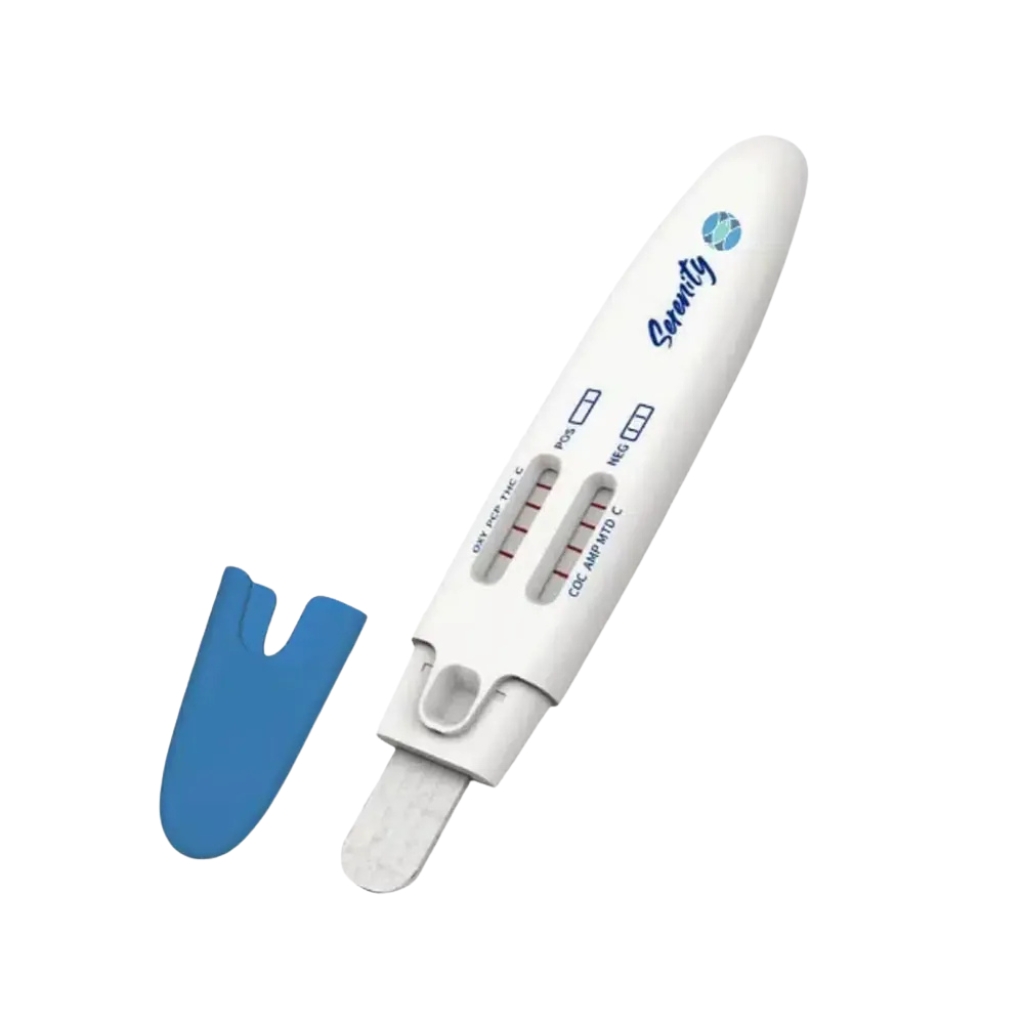
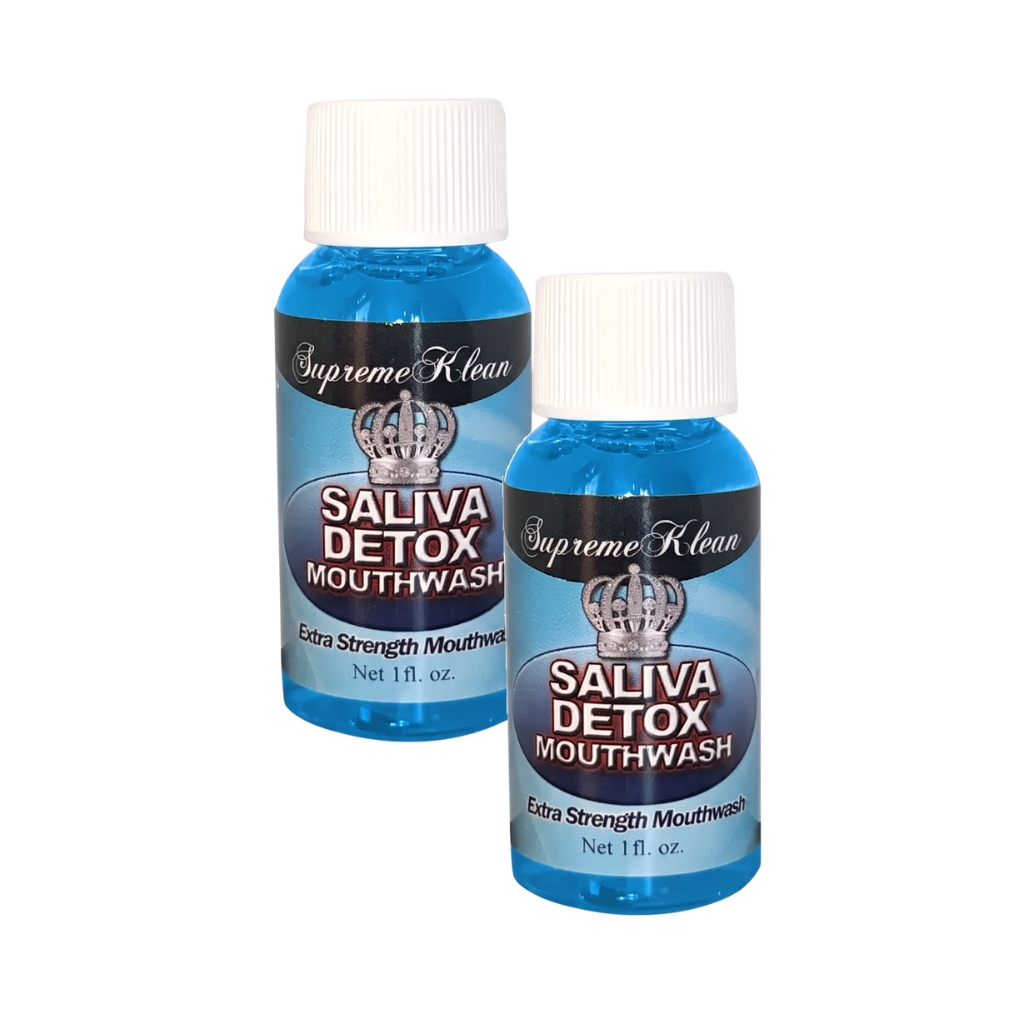
   [ 12-Panel Saliva Swab ]         ──►         [ Supreme Klean Mouthwash ]
 • Self-screen at home                         • Swish 10–15 mins before test
 • 5-minute preliminary read                   • 30–45 minute clean window
Step 1: Establish Your Baseline Status
Before arriving at your testing site, self-screen using the 12-Panel Multi-Drug Oral Fluid Saliva Test.
- Laboratory Precision: Calibrated to match standard workplace immunoassay cutoff thresholds across 12 distinct substance groups, including cannabis, cocaine, opiates, amphetamines, and alcohol.
- Rapid Diagnostic Feedback: Utilizing a pen-style collection swab, this on-site test delivers preliminary visual results in approximately 5 minutes.
- Strategic Clarity: Self-screening reveals whether your natural biological clearance has already brought your oral fluids below detection thresholds, or if immediate active intervention is required.
Step 2: Neutralize and Clear with Specialized Mouthwash
Shortly before your scheduled appointment, use Supreme Klean Saliva Detox Mouthwash to clear residual chemical compounds from the oral cavity.
- Application Protocol: Approximately 10 to 15 minutes prior to your test, pour half the bottle into your mouth. Swish and gargle vigorously across the gums, under the tongue, and against the cheeks for 2 to 3 full minutes, then spit it out completely. Repeat the exact same procedure with the remaining half of the bottle.
- Crucial Rule: Once completed, do not eat, drink, chew gum, vape, or smoke anything. Introducing food, beverages, or smoke will disrupt the protective coating and re-introduce external contaminants.
- Active Protection Window: This specialized formula creates an active, toxin-free clearance window lasting 30 to 45 minutes.
- The Pro-Tip: Keep an additional 12-Panel Oral Swab Kit on hand to test yourself immediately after completing your mouthwash routine. Visually confirming negative indicator lines before entering the facility eliminates pre-test anxiety.
Regulatory Realities & Best Practices
- Purchase Genuine Formulations: Secondary marketplaces and unverified retailers often distribute counterfeit, diluted, or expired mouthwashes that lack active neutralizing agents. Always source authentic supplies directly through verified providers like Supreme Klean Mouthwash.
- Adhere to Workplace Compliance: Understand your company’s internal drug testing protocols, testing frequency, and governing regulations (such as DOT or state-mandated drug-free workplace rules).
- Manage Collection Timing: Because detox mouthwashes operate on a focused 30- to 45-minute window, coordinate your application timing carefully around check-in procedures, waiting room times, and the actual swab administration.
Frequently Asked Questions
How long before a saliva drug test should I use detox mouthwash?
Apply the mouthwash roughly 10 to 15 minutes before your scheduled collection. This allows the formula to strip and neutralize oral fluids while providing 30 to 45 minutes of active coverage.
Can a mouth swab test detect drugs consumed an hour ago?
Yes. In fact, detecting very recent use is the primary strength of oral fluid testing. Substances consumed orally or inhaled leave immediate parent residues across the gums, cheeks, and tongue within minutes of exposure.
Does eating or drinking affect the test?
Yes. Most testing facilities enforce a mandatory 10- to 15-minute observation period during which donors cannot eat, drink, or chew gum, as foreign substances can dilute the specimen or interfere with collection swabs. Similarly, consuming liquids after using a detox mouthwash washes away the formula’s protective effect.
How is a saliva drug test administered?
The collector places an absorbent collection sponge or swab inside the donor’s mouth (typically between the lower cheek and gum, or under the tongue) until it is saturated with oral fluid. This process usually takes 2 to 5 minutes. The swab is then inserted into a collection chamber for immediate screening or sealed for transport to an analytical laboratory.
Will detox mouthwash show up on the test results?
No. Quality oral cleansing formulas like Supreme Klean Saliva Detox Mouthwash are designed to leave no unnatural adulterants, synthetic chemical markers, or masking compounds that trigger specimen rejection.